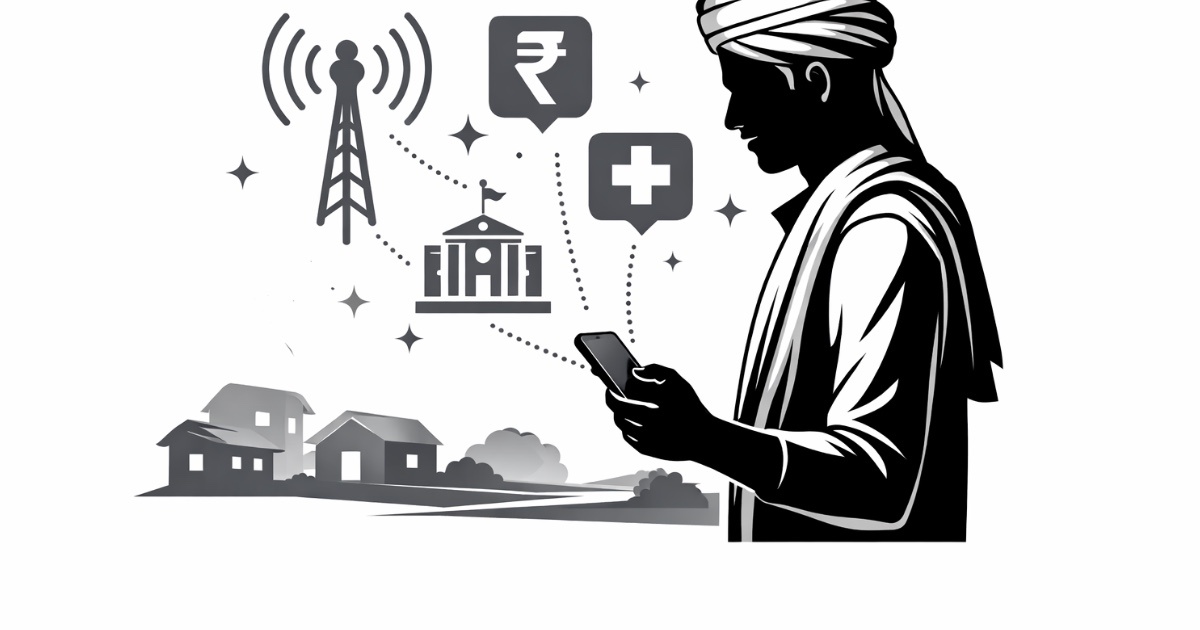
Digital India Expansion 2026: Rural Internet Growth Accelerates Governance, Banking and Public Services Across India
India’s digital journey is entering a decisive phase in 2026, as rural internet expansion reshapes how citizens access government schemes, banking, healthcare and education.
Under the broader Digital India mission, the push to connect villages with high-speed broadband is no longer just about internet access. It is about delivering welfare faster, reducing corruption, and improving transparency.
With millions of new users coming online in smaller towns and villages, rural connectivity is emerging as one of the most powerful governance tools in the country.
Why Rural Internet Expansion Matters in 2026
India has one of the largest internet user bases in the world. Yet for years, the digital divide between cities and villages slowed inclusive growth.
That gap is narrowing.
Government-backed fibre networks, mobile data expansion and affordable smartphones are driving rural connectivity at record pace. As more households gain internet access, digital public services are reaching deeper into the country.
This shift matters because nearly 65% of India’s population lives in rural areas. Digital access directly affects how they receive subsidies, pensions, health benefits and education.
BharatNet and Village-Level Connectivity
One of the key pillars of rural expansion is the BharatNet project.
BharatNet aims to connect over 2.5 lakh Gram Panchayats with high-speed optical fibre. The goal is to provide reliable broadband infrastructure that local service providers can use to deliver last-mile internet access.
What BharatNet Means for Villages
- Faster processing of government documents
- Online access to welfare schemes
- Digital payments through local shops
- Video consultations for telemedicine
- Online classes for school students
In many districts, Common Service Centres (CSCs) now act as digital bridges between the government and rural citizens.
Direct Benefit Transfer Becomes Faster and Safer
Digital expansion has strengthened the Direct Benefit Transfer (DBT) system.
Under DBT, subsidies for LPG, pensions, scholarships and welfare payments are sent directly to beneficiaries’ bank accounts. Rural internet access makes it easier for citizens to:
- Check payment status online
- Link Aadhaar with bank accounts
- Update KYC details
- Resolve banking issues digitally
This reduces middlemen and lowers the risk of leakage in welfare distribution.
UPI and Rural Digital Payments Surge
Another major impact area is digital payments.
The growth of National Payments Corporation of India has enabled the massive expansion of UPI in rural India.
Today, small shopkeepers, farmers and street vendors accept digital payments through QR codes. Even in remote areas, mobile-based transactions are common.
Why This Is Important
- Reduces cash dependency
- Improves financial inclusion
- Creates digital transaction history
- Enables access to small loans
As smartphone penetration rises, rural India is becoming a key driver of digital payment growth.
Online Governance: Services at Doorstep
The expansion of broadband has strengthened e-governance platforms such as:
- Online land record systems
- Digital grievance portals
- Online birth and death certificates
- Farmer registration portals
- Tele-law services
Citizens no longer need to travel long distances to district offices for basic paperwork.
State governments are also investing in mobile apps and online dashboards for service delivery monitoring.
Telemedicine and Rural Healthcare Access
Healthcare access in villages has historically been limited due to distance and doctor shortages.
Rural internet expansion is helping bridge this gap through:
- Video consultations with doctors
- Digital health records
- Online appointment booking
- Access to government health insurance schemes
Telemedicine services reduce travel costs and help patients get faster medical advice.
This is especially important for elderly citizens and pregnant women in remote regions.
Digital Education Reaches Rural Students
Internet access is also transforming education in villages.
Students can now:
- Attend online classes
- Access government e-learning platforms
- Download study materials
- Watch exam preparation videos
- Apply online for scholarships
Digital classrooms and smart boards are being introduced in several government schools.
This improves learning quality and reduces the urban-rural education gap.
Agriculture Goes Digital
Farmers are using internet-based platforms to:
- Check weather forecasts
- Track crop prices in mandis
- Apply for crop insurance
- Register for government schemes
- Access soil health data
Digital marketplaces are helping farmers compare prices and connect with buyers.
Better access to information allows farmers to make informed decisions.
Employment and Rural Entrepreneurship
Rural internet growth is also boosting self-employment.
Young people in villages are:
- Running online businesses
- Offering digital services
- Becoming CSC operators
- Selling products through e-commerce platforms
- Providing online freelancing services
This reduces migration pressure on cities and creates local economic opportunities.
Challenges Still Remain
Despite strong progress, challenges continue.
Connectivity Gaps
Some remote areas still face:
- Slow internet speeds
- Frequent network outages
- Limited mobile tower coverage
Digital Literacy Issues
Many first-time users need training to:
- Avoid online fraud
- Use digital banking safely
- Access government portals
Without digital awareness, connectivity alone cannot deliver full benefits.
Cybersecurity and Data Protection Concerns
As more rural users come online, cyber fraud risks increase.
Authorities have warned about:
- OTP scams
- Fake loan apps
- Phishing messages
- Impersonation calls
Digital literacy campaigns are now focusing on safe internet use.
Citizens are advised never to share OTPs or banking details with unknown callers.
Women and Digital Inclusion
Rural internet expansion is also empowering women.
Access to smartphones and digital services allows women to:
- Open bank accounts
- Join self-help groups
- Apply for welfare schemes
- Access health information
- Start small online businesses
Digital access increases financial independence and decision-making power.
How 2026 Could Shape the Next Phase
Experts believe 2026 could mark a turning point in India’s digital transformation.
Key trends to watch:
- Expansion of 5G into semi-urban and rural areas
- Growth in digital agriculture platforms
- Increased use of AI in governance
- Wider adoption of digital identity tools
- Strengthening of cybersecurity laws
If rural internet growth continues at the current pace, governance could become more transparent and citizen-focused.
The Bigger Picture: Digital India Beyond Cities
The Digital India mission was never meant to benefit cities alone.
Rural connectivity is proving that digital access is not a luxury. It is a public utility.
From welfare transfers to telemedicine, from digital payments to online education, rural internet expansion is reshaping daily life across villages.
For millions of citizens, governance is no longer limited to government offices. It is now available through a smartphone screen.
What Citizens Should Do
To make the most of digital services:
- Use official government websites only
- Verify SMS and email links before clicking
- Keep mobile numbers linked to Aadhaar updated
- Learn basic cyber safety practices
- Seek help from authorised CSC centres
Digital growth brings opportunity. But awareness ensures safety.
Digital India’s rural expansion in 2026 is not just about cables and towers. It is about inclusion, transparency and access.
As villages become digitally connected, governance is becoming faster, simpler and more direct.
The real success of Digital India will not be measured by the number of fibre cables laid. It will be measured by how easily a villager can access services, receive benefits and improve quality of life.
Rural internet growth is turning that vision into reality.
Edited by: Pushkarini Annabathula
Also Read : State of the Union 2026: 7 Powerful Moments That Sparked Intense Global Debate
Add republicpost.in as preferred source on google – Click Here
Last Updated on: Friday, February 27, 2026 6:27 pm by Republic Post Team | Published by: Republic Post Team on Friday, February 27, 2026 6:27 pm | News Categories: News
About The Author